Speed and adaptability are everything in today’s highly competitive market.
Consumers expect fresh, trendy, and unique posts every day. They also want personalized content that is tailored to all their needs. And they want to have these great experiences on every single platform you have. Meeting all these expectations, especially if you don’t have a large team, is nearly impossible.
This is where AI marketing tools come in. From writing blog posts to automating email campaigns to smart logo design, there is now a wide range of tools that can help streamline workflows and produce content in a snap.
The real challenge now is choosing the right tool from the thousands available. That is exactly why we created this guide.
Below we break down the best AI tools for marketing in 2026, explore their key features, and help you determine which one is the best for your business.
What Are AI Marketing Tools?
AI marketing tools are solutions that use artificial intelligence to specifically make marketing tasks a lot easier. These tasks can include:
- Ideation
- Image generation
- Video editing
- Content writing
- Keyword analysis
- Ad targeting
- Analytics and reporting
- Customer engagement
And the list goes on.
Some tools can also be focused on one thing (ex. Khroma, which is solely an AI color palette generator) while some can be an all-in-one tool (like Design.com, which has an AI logo generator, an AI website builder, an AI poster generator, and other tools for building your brand assets).
Why AI Tools for Marketing Matter in 2026
Why have AI tools for marketing become so important in today's landscape? This is because they can provide these benefits:
- Speed and efficiency: With the huge amount of content that is expected from brands, manual work just won’t cut it anymore. Thankfully, AI marketing tools can automate repetitive tasks such as scheduling posts, sorting out audiences for your email blast, removing dead air from videos, or analyzing data. This frees up your time to focus on more important things.
- Data-driven decisions: AI platforms can take in loads of data to do predictive analysis and give performance insights. It can study why your customers prefer a specific type of video, if they like blue background over green, if they prefer email subject lines with emojis, and whatnot. Knowing all these insights can help you make better decisions plus adjust your marketing campaigns accordingly for peak performance. No more wasted time on long trial and errors or randomly guessing what will make your campaigns work!
- Personalization at scale - Research has found that 71% of customers expect a personalized experience from brands. Luckily, AI has made it easy to do this. AI can help analyze a customer’s interest, purchase history, and buying behavior in real time. This results in more targeted ads, website content that adjusts with your location, and much more relevant content.
- Creativity support - Coming up with new content every day can surely burn someone out, no matter how creative and passionate they may be. AI tools can help generate visuals, headlines, captions, video scripts, and ad copy quickly. These can help reduce creative blocks plus make it easy to maintain consistent output.
- Cost-Effectiveness - Remember the personalization and data analysis that we mentioned above? Those were actually reserved for premium accounts and enterprise organizations back in the day. But now AI has made it possible even for small businesses and startups to have these tools. Even tasks that used to require hiring separate workers, such as video editing or website building, can also be DIY-ed with the right AI tool. This levels the playing field for everyone, as you can have professional output even without large budgets.
Top AI Tools for Marketing By Category
Let’s now move to the top AI tools this year. We sorted them into categories per use case to make it easy for you to find the tool you need:
AI tools for content marketing & writing
Written content (be it blog articles, ad copies, email subject lines, press releases, or taglines) remain the foundation of effective marketing. Here are the top AI tools you can use to streamline your writing process:
ChatGPT
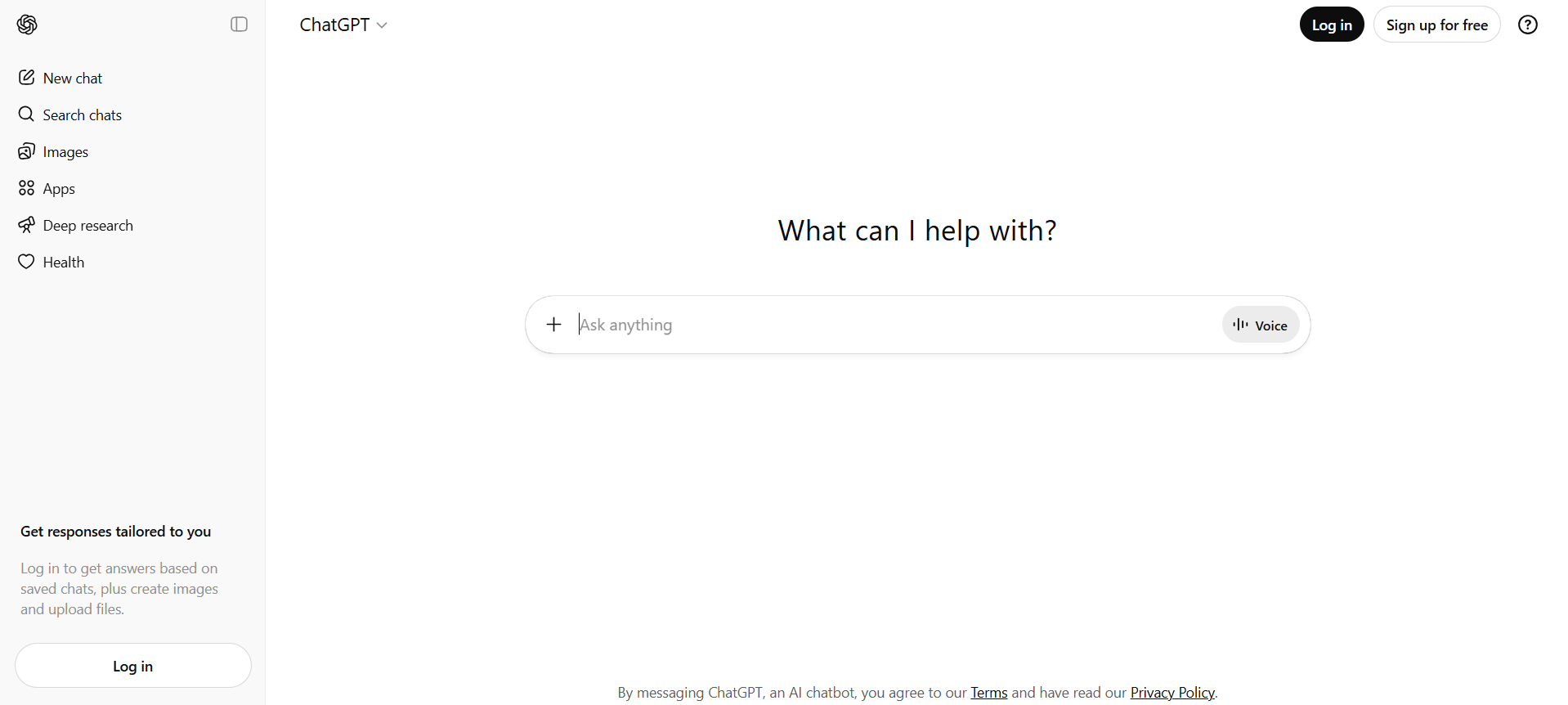
ChatGPT is one of the most popular AI tools for a reason. It’s accessible, easy to use, and can produce great results, provided you create a good prompt. You can use the tool to give you any kind of written content from long blog posts, product reviews, to YouTube video scripts.
Here’s a pro tip: tweak the settings to make them write like your desired brand identity. Just go to Settings > Personalization, then adjust the Base Style and Characteristics. You can make it sound more enthusiastic, calmer, or more factual. You can also add custom instructions, such as requiring it to verify information and cite sources (which is helpful for those writing case studies and marketing research).
Marketers using ChatGPT on mobile can also browse ChatGPT app reviews to see how iOS users describe the app experience.
Jasper
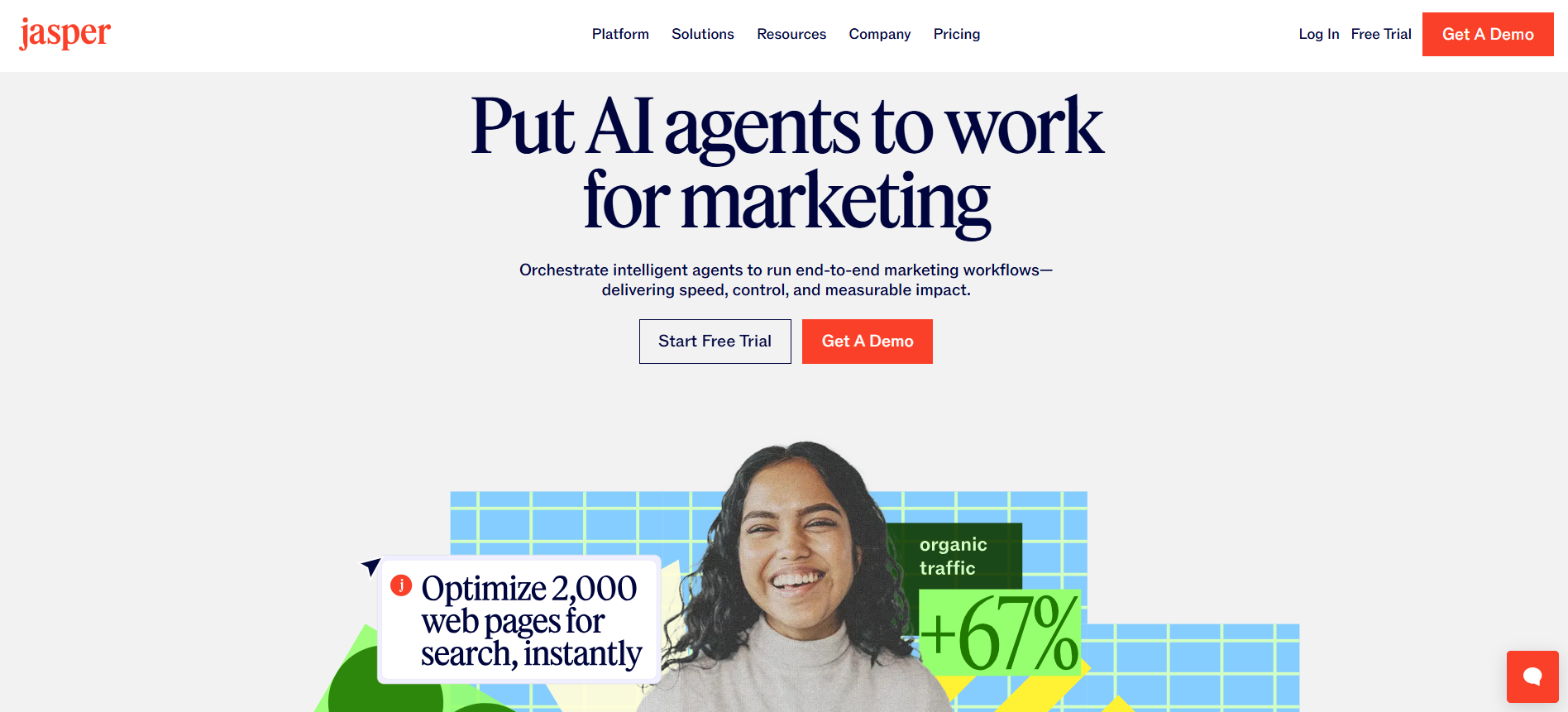
If you want content that already follows marketing guidelines and industry standards (and needs less tweaking and editing), then Jasper is the tool for you. This is because it is made specifically for writing marketing content, unlike ChatGPT which is created for general use. So the content you get is more high-quality, on-trend, and on-brand.
Jasper can be used for a wide range of written content, such as slogans, Instagram captions, product descriptions, email newsletters, or brand stories. They also have tools for paraphrasing, AI detection, and AI humanizer.
Frase
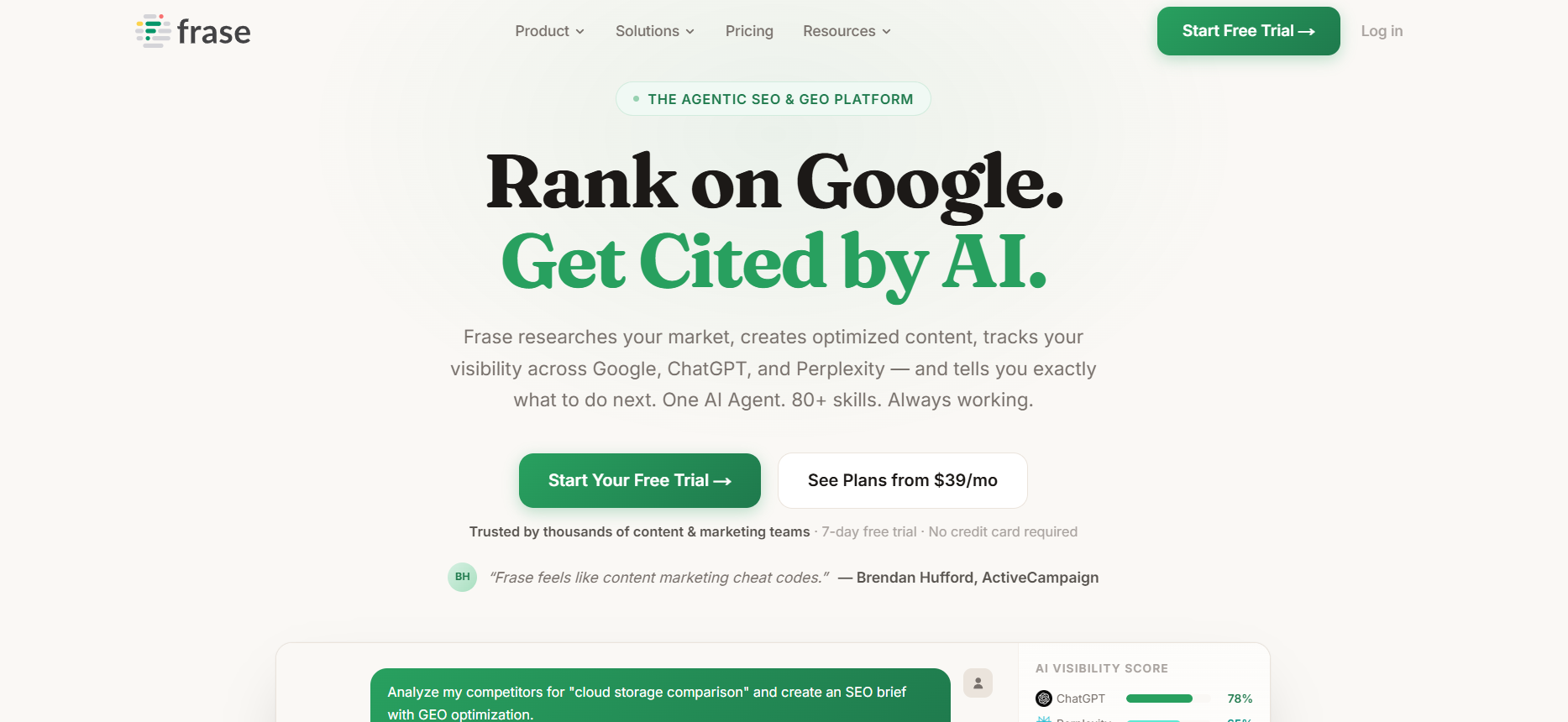
If your focus is to make your written content rank higher in searches, then Frase is a strong addition to your toolkit.
Frase helps you research top-ranking pages and identify keyword opportunities. From there, you can generate drafts that are aligned with those insights and with what users are actively searching for. It ensures your content will actually be visible and won’t just get lost in the void.
Contentpen
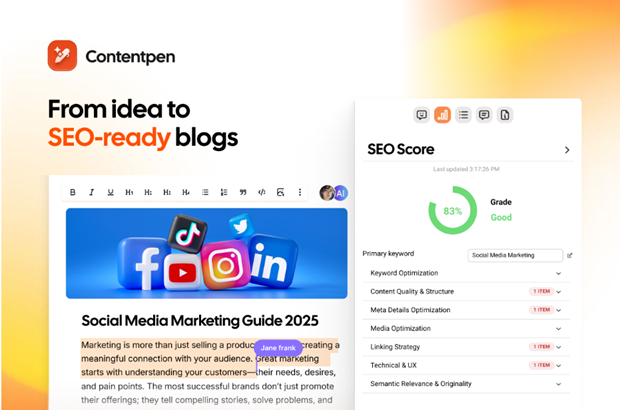
If you find yourself constantly staring at a blank screen trying to figure out what to post next, then Contentpen is the tool worth considering. It is an AI SEO writer that performs keyword research, content scheduling, bulk creation, and integrated publishing to all major CMS platforms in one place.
What makes it stand out is its SEO scoring and the opportunities feature that provides AI-powered insights for pages close to top positions and those that are lost. The tool is ideal for content marketers looking to improve their AI mentions and SERP rankings.
AI tools for social media marketing
Social media marketing at lightning speed. Luckily, you can keep up by using these tools to create, edit, and manage your social content:
Design.com
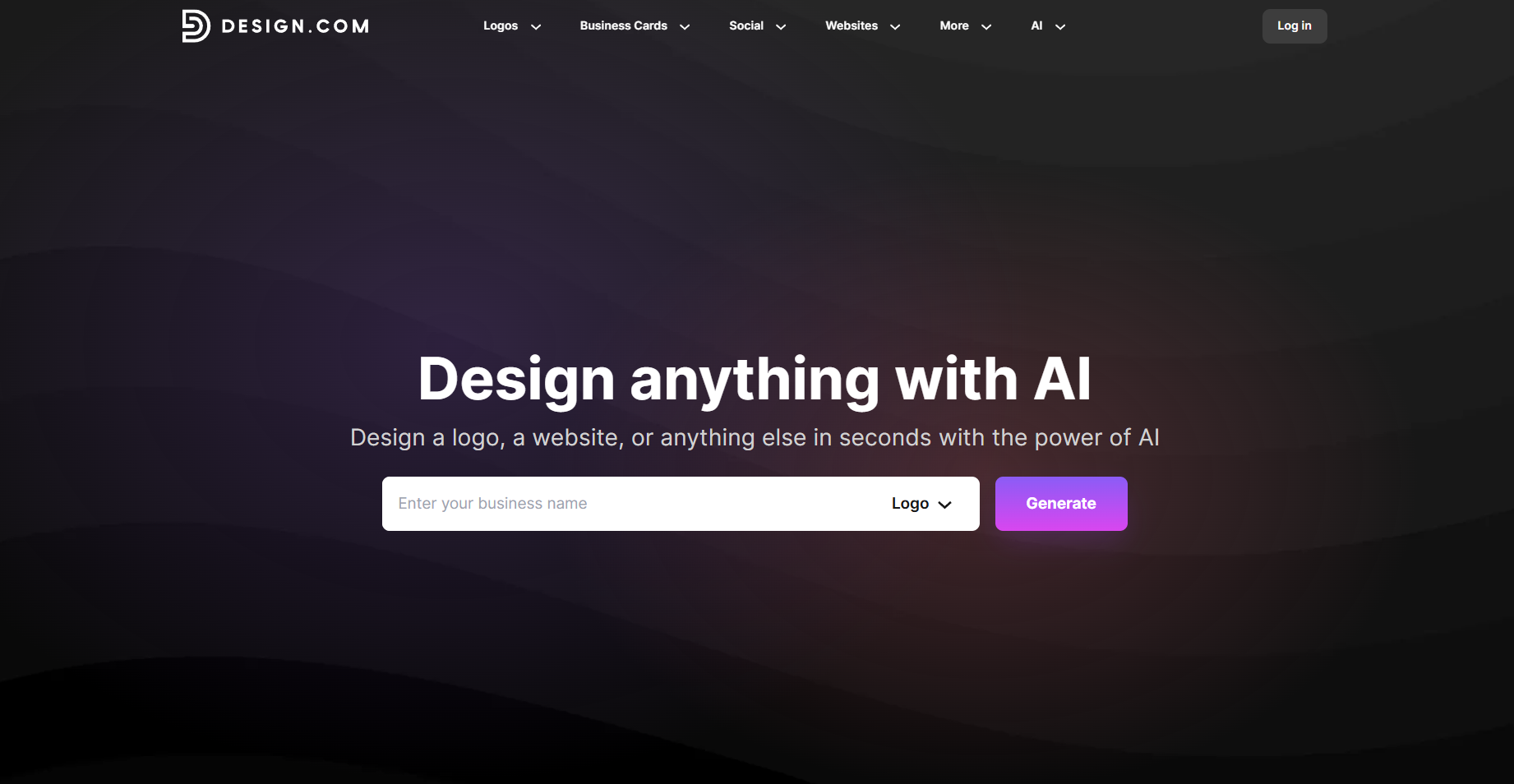
If you want quick and professional social media visuals without doing it all from scratch, Design.com is here for you.
The platform offers AI design tools and customizable templates for social media posts, videos, and banners. Just pick a design you like, personalize it further, then download it to use.
These graphics are also automatically sized for different platforms, so you won’t need to worry about manually resizing. This is especially helpful for businesses managing multiple social accounts and dealing with dozens of content at the same time.
BrandCrowd
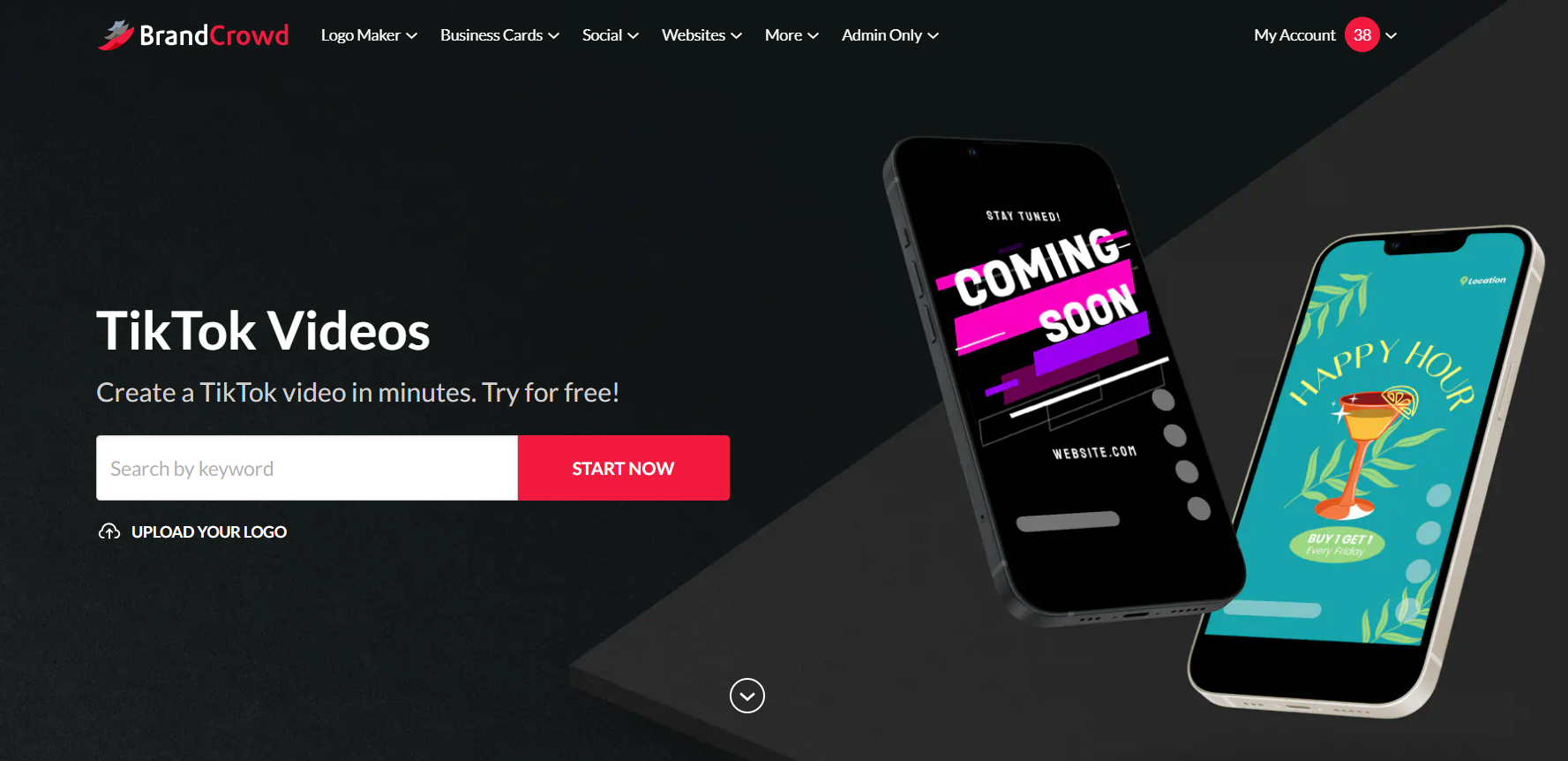
BrandCrowd is another great option for businesses that want ready-made templates for social media posts. It provides thousands of customizable designs that can be adapted to match your branding. Whether you are announcing a sale, launching a product, or sharing a fun Instagram Reel, BrandCrowd simplifies the creative process.
For businesses that value speed and flexibility, this tool helps maintain a steady flow of professional content.
Descript
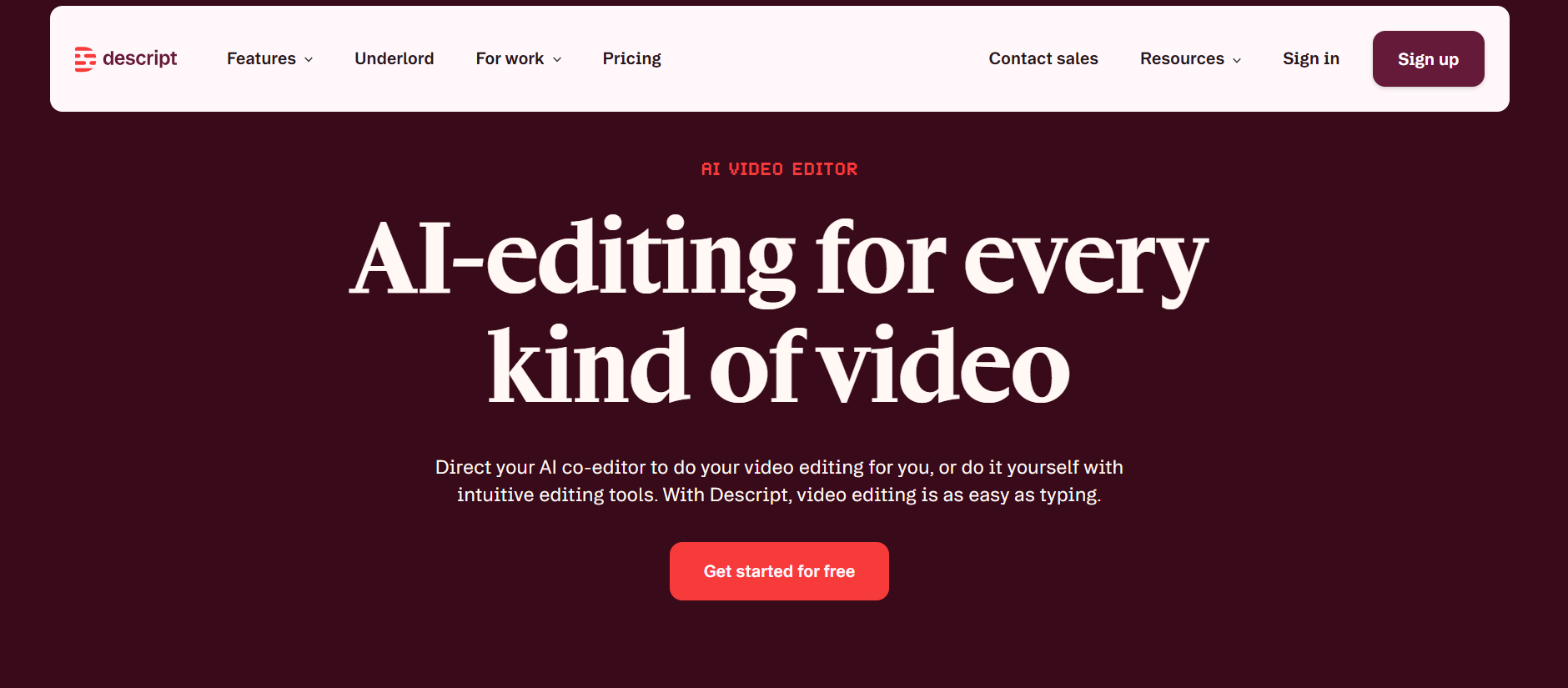
Descript allows you to edit videos and podcasts by editing text, which makes production more accessible even if you are not a professional editor. You read that right, by text. No need to manually cut clips; you can just delete the text for the scene to remove that specific part.
You can also use Descript to automatically remove filler words and dead air, add captions, and repurpose long videos into shorter clips for platforms like Instagram or TikTok. It’s an easy way to create engaging content without having to deal with complex editing software or using up long hours just manually trimming clips away.
ElevenLabs
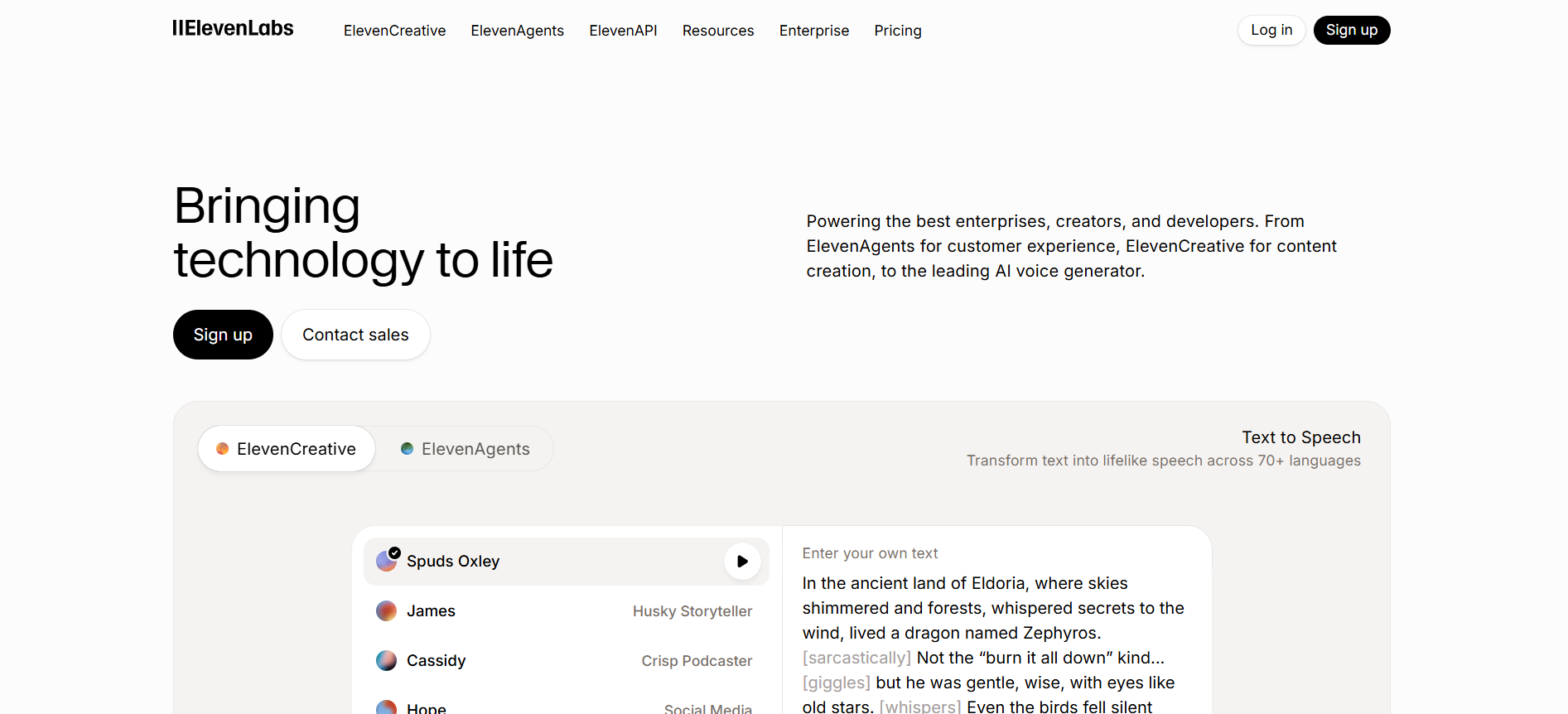
For brands experimenting with voiceovers, podcasts, or narrated videos, ElevenLabs offers AI-generated voice technology that sounds natural and professional.
Users can choose between 300+ voices to use as voiceover for ads, explainer videos, or product demos. It also offers a text-to-speech generator, voice cloning, and music generator features. It’s especially useful for small businesses testing video content on social media, as they can have great audio without having to hire voice talent.
FeedHive
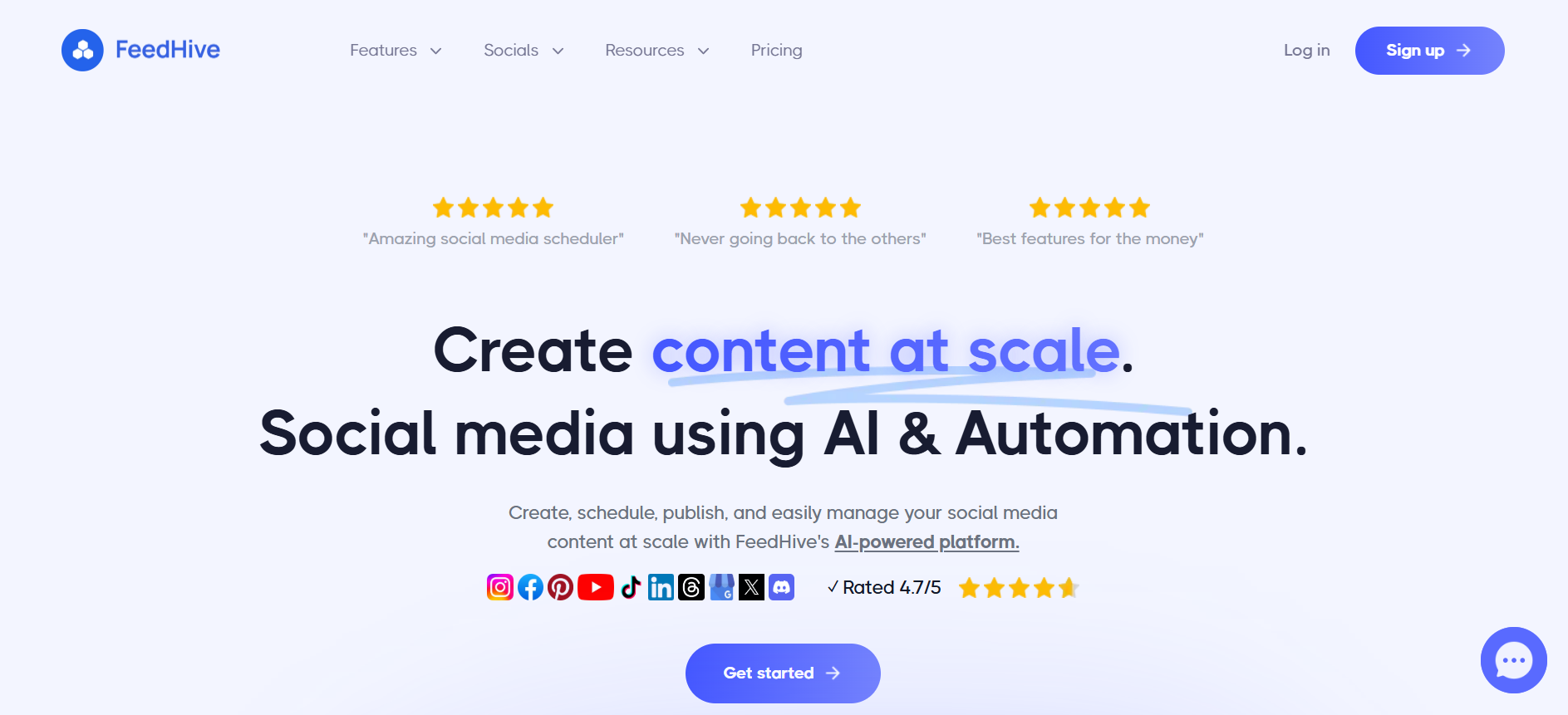
Now that you have all this image and video content, it's time to post and schedule them. And yes, there is an AI tool to make that easier, too!
FeedHive focuses on content scheduling and optimization. Instead of manually posting across different platforms, you can plan, schedule, and automate your posts in advance. It also uses AI to help generate captions and suggest improvements to increase engagement. This is particularly helpful for marketers managing multiple accounts who want to maintain consistency without spending hours online each day.
AI tools for B2B marketing
B2B marketing often involves longer sales cycles, detailed research, and coordinated workflows compared to B2C. These AI tools support deeper analysis and automation.
Perplexity
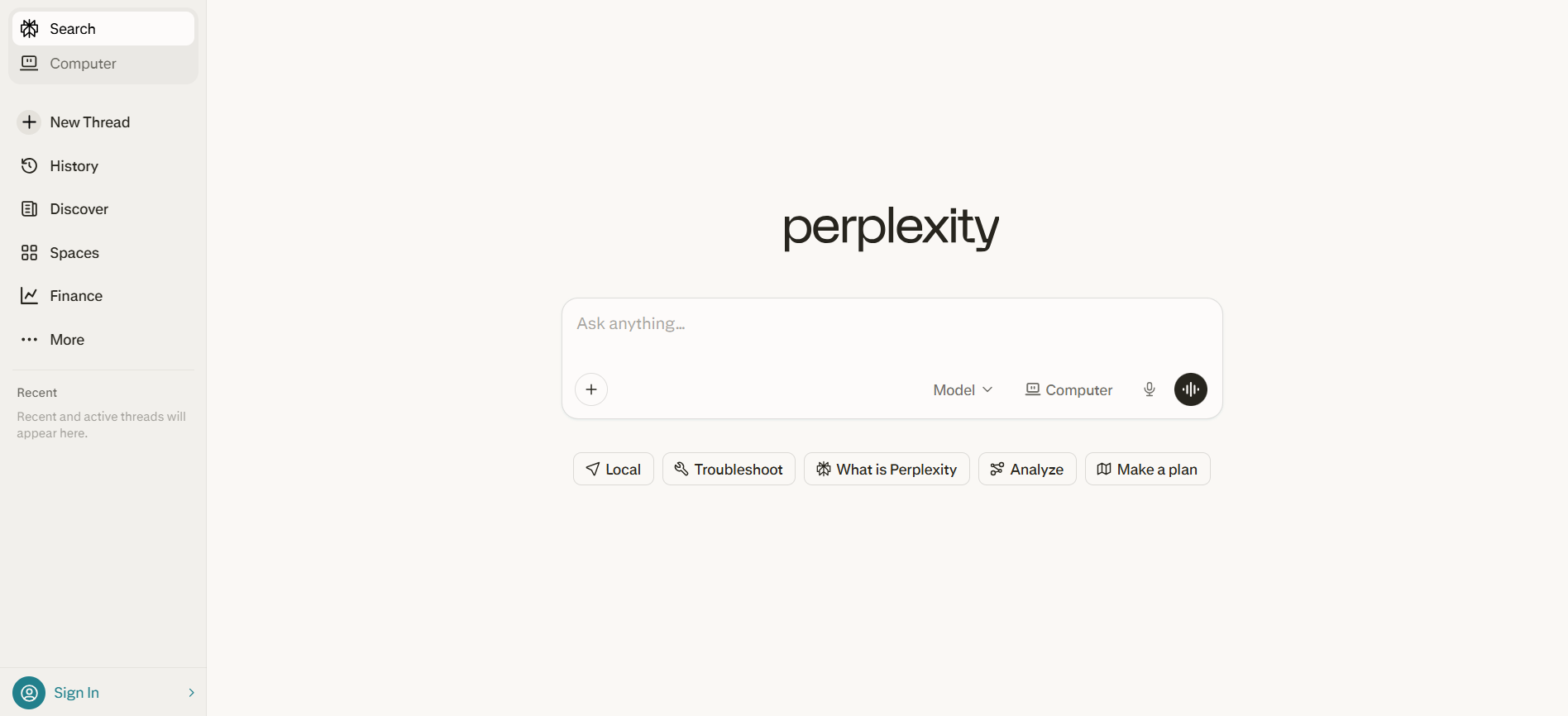
Perplexity may seem like another AI chatbot, but it’s more accurate to call it a smarter search engine.
Perplexity is designed for fast and accurate research. They give sourced and direct answers, provide citations, and search in real-time to reduce hallucinations. For B2B marketers who rely on industry data, competitor analysis, and market research, this tool can speed up information gathering while ensuring you get accurate and fact-checked answers.
HubSpot AI
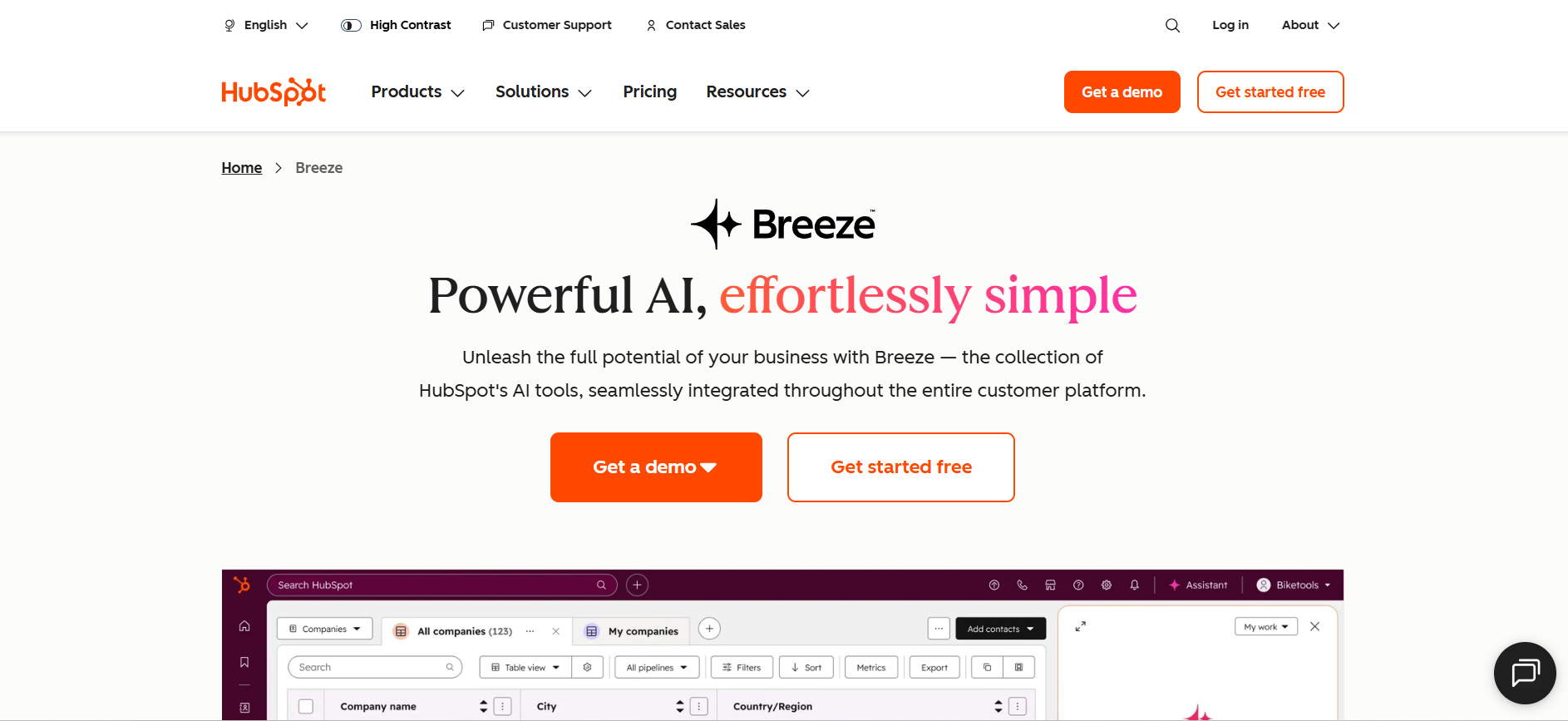
Hubspot remains the top choice for businesses that want an all-in-one platform. You can get all your marketing needs, whether it’s prospect research, personalizing content, audience segmentation, or workflow automation.
It is ideal for B2B companies that want a centralized system for managing campaigns and customer data.
Zapier
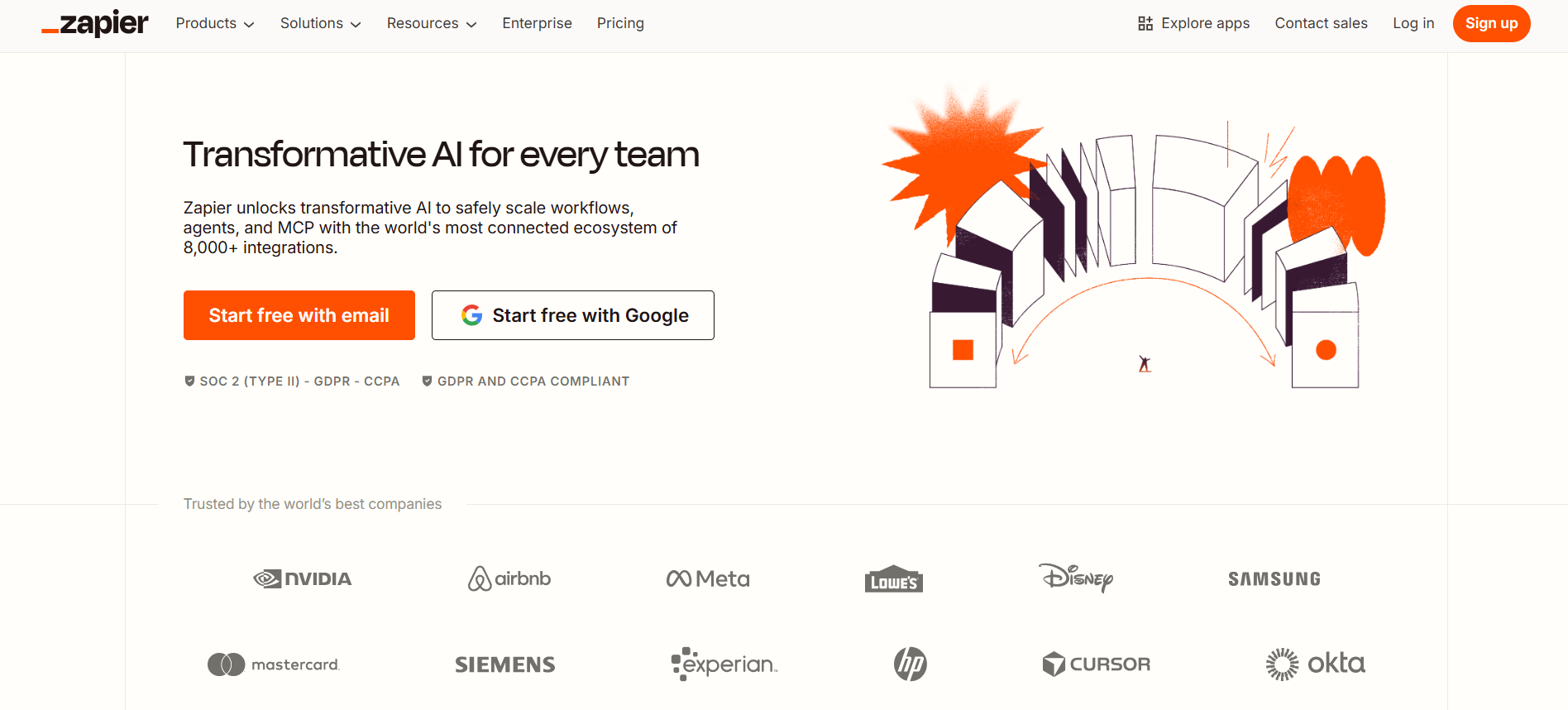
If you’re struggling with balancing multiple clients, Zapier can make your life easier.
Zapier connects different apps to automates repetitive processes. Users can create “Zaps”, which trigger actions based on conditions. For example, new leads from a webinar can automatically be added to a CRM, enrolled in an email sequence, and assigned to a sales representative.
This reduces manual work and ensures smoother collaboration between marketing and sales systems.
AI tools for small business marketing
Small businesses need tools that are practical, affordable, and easy to use. These platforms support productivity without requiring a large team.
Claude
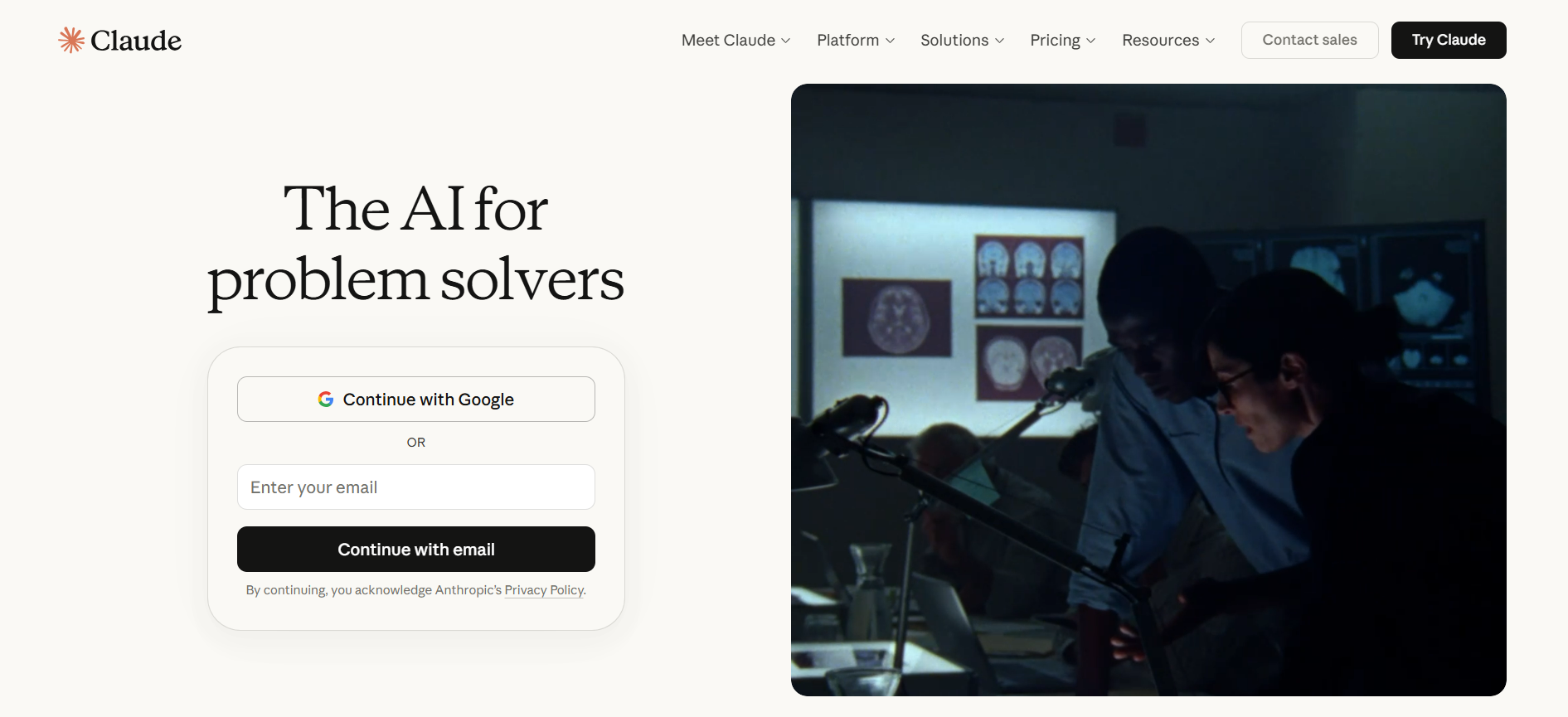
Claude is another conversational AI tool that is worth looking at.
Claude can provide more human and nuanced text as opposed to the more robotic ones from ChatGPT. Small businesses can use it for writing blog posts and social media captions that come off as more approachable, friendly, and less “AI”, even with minimal editing.
Claude can also process bigger data and understand more complex prompts. This results in better brainstorming, more refined messaging in your content, and more data-backed market research.
ClickUp
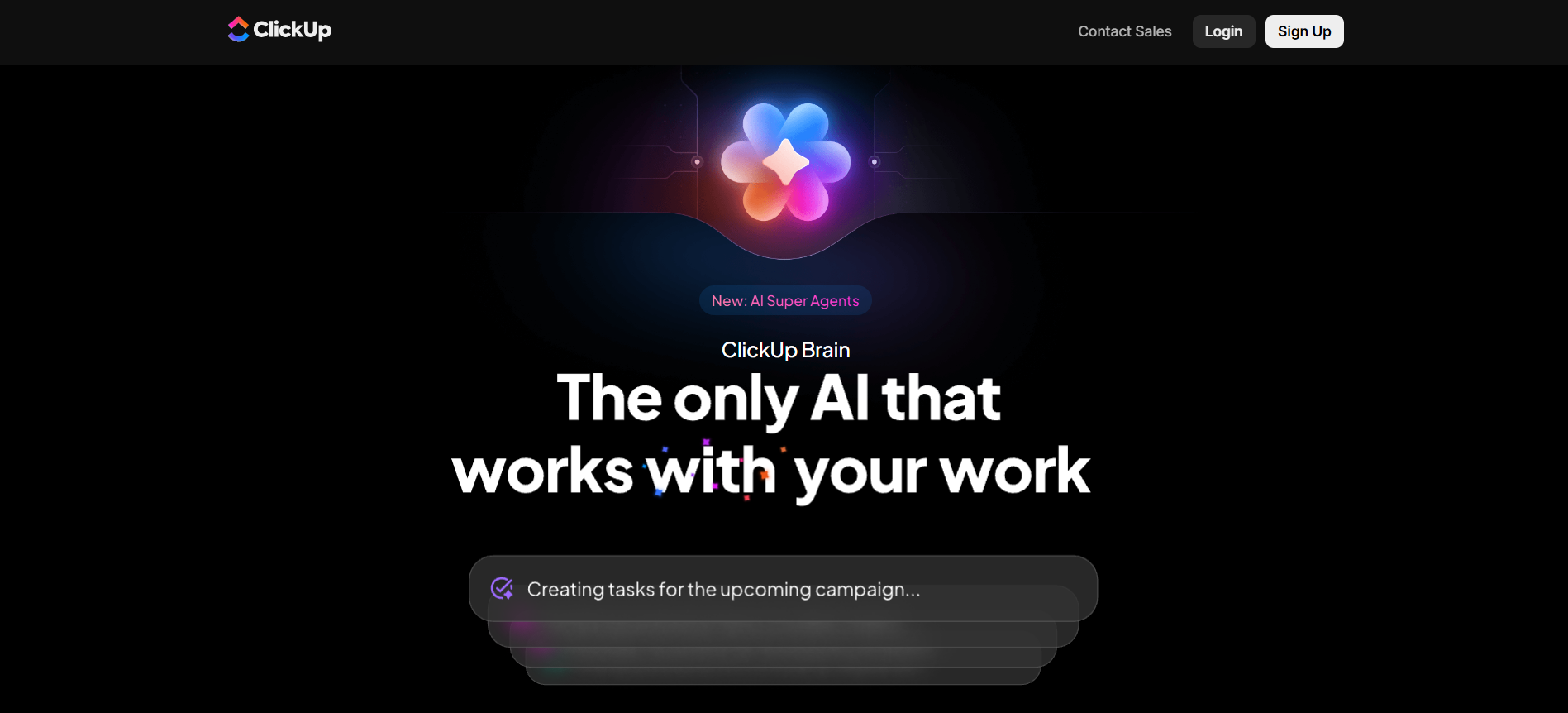
ClickUp is primarily known as a project management tool, but its AI features help small teams generate task summaries, draft content, and streamline workflows.
Instead of juggling multiple apps, small businesses can manage campaigns, content calendars, and marketing tasks in one place. ClickUp also has AI suggestions for your tasks, which can improve productivity and reduce planning time, which is always a plus for busy owners.
Otter.ai
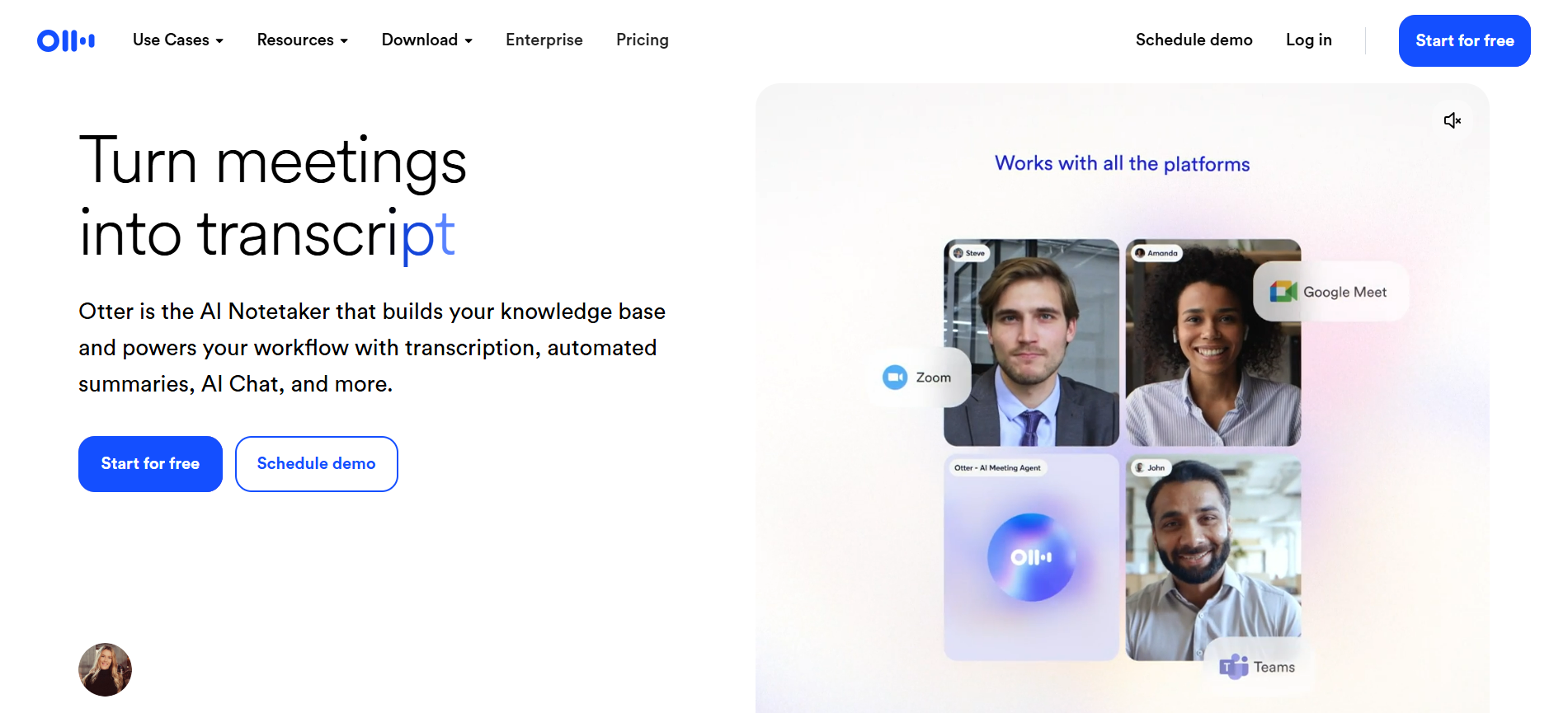
Otter.ai converts spoken conversations into written transcripts. For small business owners hosting meetings, interviews, or webinars, this tool makes it easy to turn discussions into usable content.
If you want to go further, you can even repurpose transcripts into blog posts, email newsletters, or social captions. It’s truly an all-in-one tool!
AI tools for affiliate marketing
Affiliate marketing depends on strong content, persuasive messaging, and optimized campaigns. These AI tools and a suitable digital product platform help affiliates scale efficiently.
Copy.ai
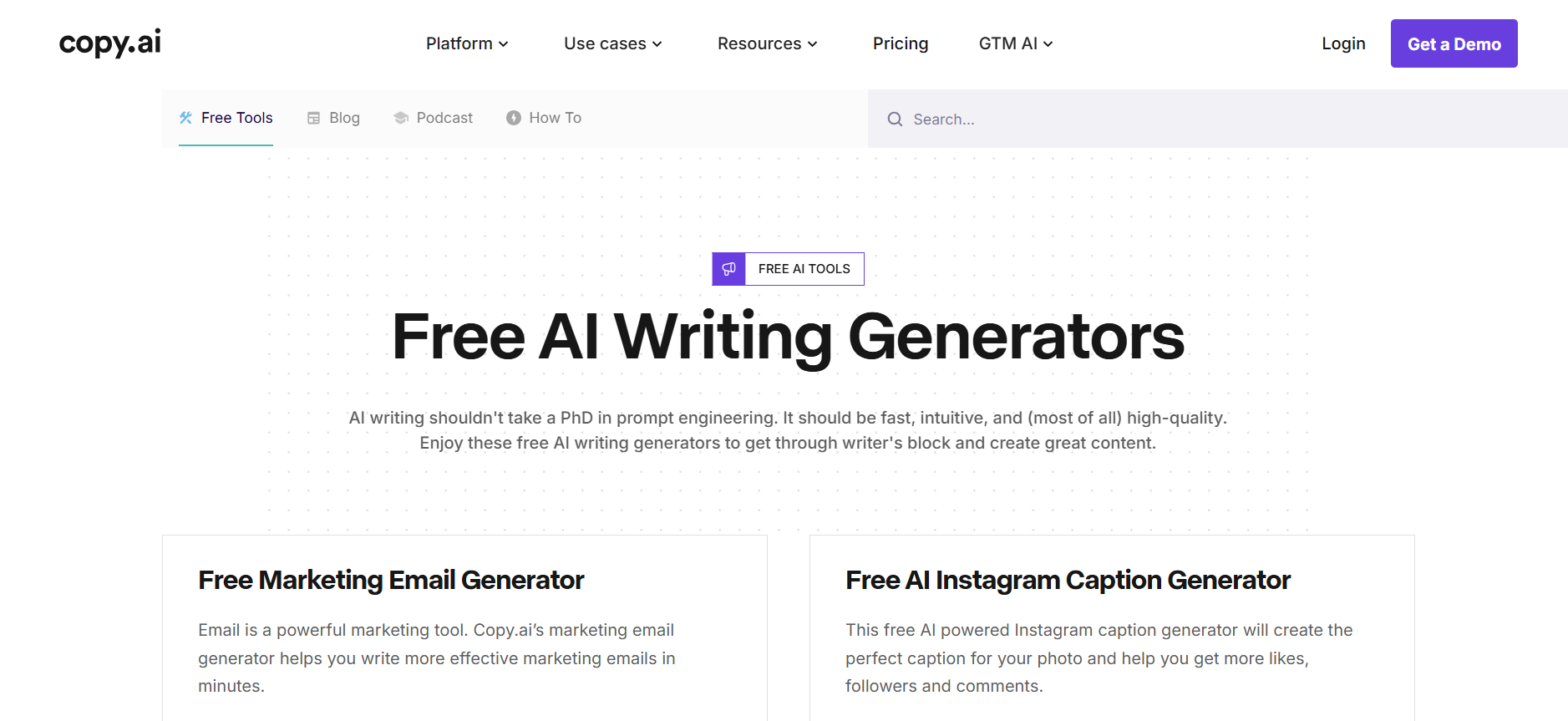
Copy.ai focuses on content such as headlines, product descriptions, email subject lines, and ad copy–all of which is where most affiliate content can be found. Affiliate marketers can use it to optimize their promotional messaging and create better CTAs for more effective campaigns.
AdCreative.ai
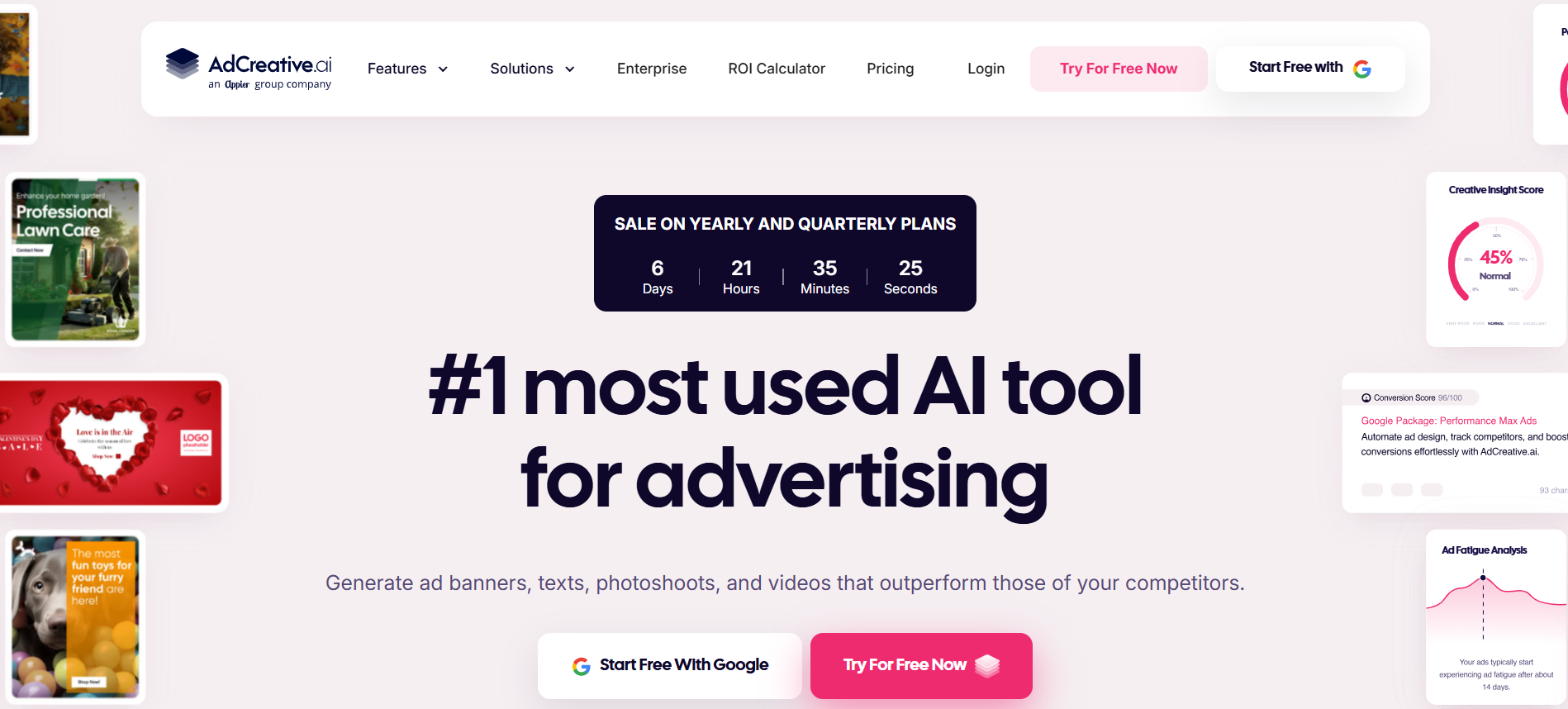
AdCreative.ai is built specifically for generating conversion-focused ad creatives. It uses AI to create visuals and ad copy tailored to performance marketing.
Affiliate marketers running paid ads can use it to produce multiple ad variations quickly. This allows faster testing and optimization without designing everything manually.
GetResponse
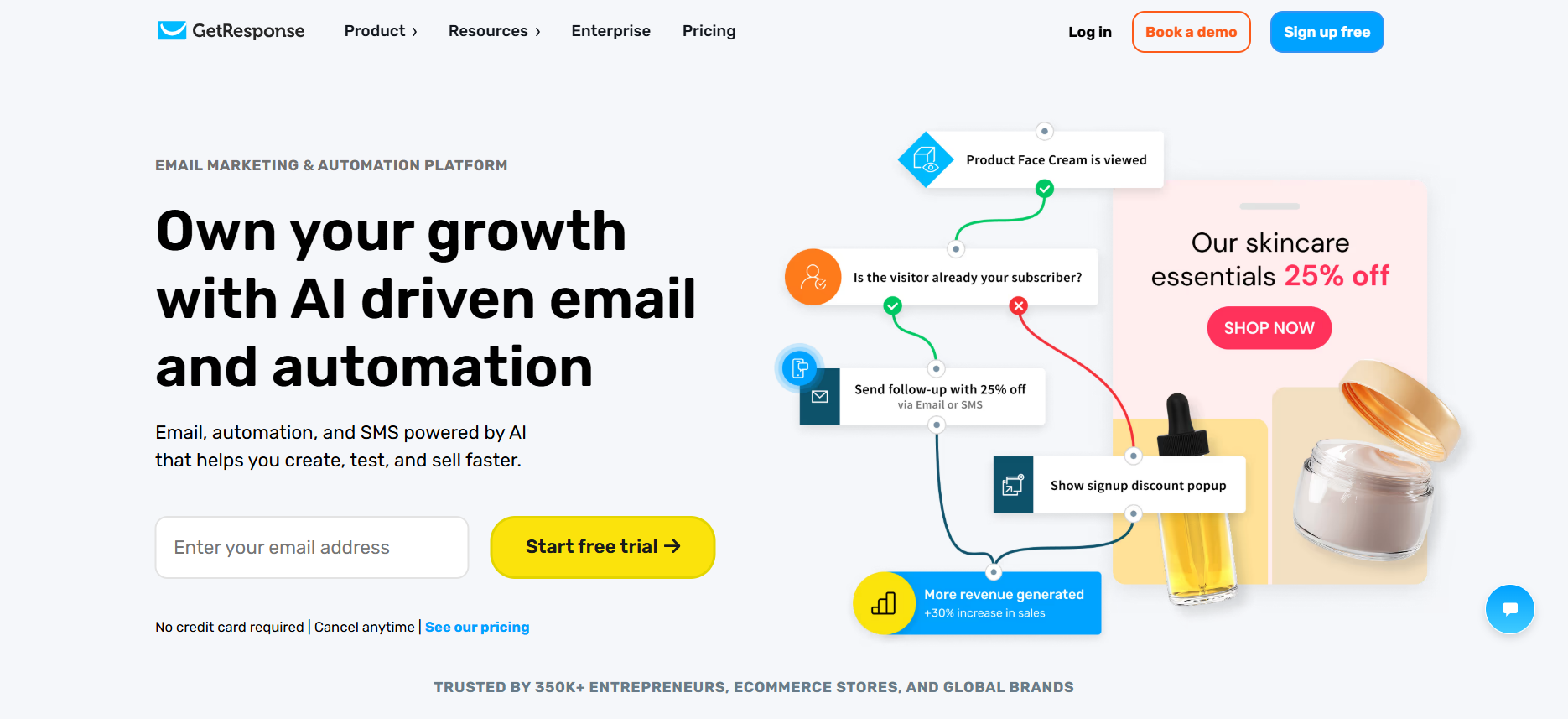
Need to get more responses from your affiliates? Or maybe you sell mainly via email campaigns. Whatever it is, GetResponse is another tool worth a look.
GetResponse combines email marketing, automation, and landing page tools in one place. Its AI features help generate optimized email content, create better subject lines, automate campaigns, and track revenue.
Affiliate marketers can use it to build email funnels, nurture subscribers, and promote offers effectively. This way, campaigns can run consistently without constant manual effort. You can also find and explore more affiliate marketing tools on Techimply to support and scale your campaigns.
Lenso.ai
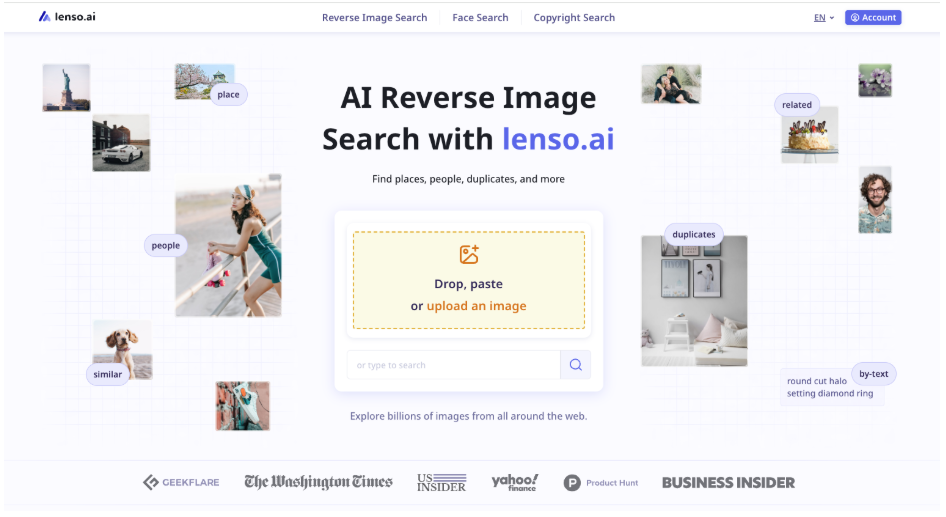
Lenso.ai is an AI reverse image search tool that helps you track where your images appear online. You can upload a photo to see if it has been reused, copied, or shared without permission. This is especially useful for checking copyrighted images and making sure your content is not being misused.
It can also be used to monitor brand logos across the web. Marketers and businesses can quickly find where their logo shows up, spot unauthorized use, and keep an eye on how their brand is being represented. With a simple interface and fast results, Lenso.ai makes image tracking easy for any team.
How to Choose the Best AI Tools for Marketing
Now that you have seen the roundup, you are probably asking: What’s the best AI tool for marketing? Which is the best of the best?
The answer is that there is no one tool that can be counted as the best. As you saw above, each tool has its own specialty, focus, and strengths. The “best” tool is the one that fits your needs. Even if there is a great image generator, if you mainly use written content for your business, then it’s not really useful for you. And vice versa. RankSmith can also be useful when comparing different software and tools based on their features and performance. Tools like an AI checker can also be valuable if your workflow relies heavily on AI-generated content, helping ensure quality, originality, and accuracy. Platforms like Seedance 2 can also be worth exploring if your focus leans toward advanced AI-driven media creation and automation.
Still, there are a few universal things you should consider when choosing which tool or tools to adopt. These are:
- Define business goals - Identify whether your primary need is content creation, automation, SEO growth, audience targeting, or customer retention. This way, you ensure that the tool you are getting actually fulfills a purpose and need.
- Match tools to specific needs - Choose tools based on functionality and team expertise. A solo entrepreneur may prioritize simplicity, while a larger team may require advanced integrations. More advanced writers may need text optimizers, spellcheckers, or tools that humanize AI content rather than relying solely on writing templates And so on.
- Start with free plans - Make sure to test core features first before committing to paid plans. You don’t want to get locked into a subscription only to find out that the tool is not easy to use.
- Ensure integrations - Make sure the AI tool you are adopting can integrate with your CRM, analytics platforms, email systems, or publishing channels. Seamless integration like this reduces friction and improves efficiency. If your business relies heavily on HubSpot, researching the best HubSpot onboarding support companies can help ensure your tools, automations, and customer data are set up correctly from the start, minimizing costly implementation mistakes.
Conclusion
If you are serious about growing your brand this year, adding the right AI tool in your system could be one of the smartest investments you make. Platforms like the ToolChase AI tools directory can help you discover tools that let you move faster, make smarter decisions, and maintain professional quality across every channel. They can help you move faster, make smarter decisions, and maintain professional quality across every channel.
You don’t need to use all the tools listed above. Just pick one or a few that fits your needs. Your focus should be on finding the tool that can support your workflow, and not just adding one for the sake of it.
Streamlining your workflow is made easy with AI, but you know what can make your business even stronger? High-quality visuals and strong branding. And we got you covered. Check out tools like an AI logo generator, an AI website builder, and an AI business name generator here.
We also have other articles that can give you more information on boosting your business, so check them out as well:
Faviola Publico is an SEO Content Writer specializing in branding and digital marketing strategies. Outside of work, she enjoys reading slice-of-life novels and watching any mystery thriller-themed series.
Written by DesignCrowd on Friday, March 27, 2026
DesignCrowd is an online marketplace providing logo, website, print and graphic design services by providing access to freelance graphic designers and design studios around the world.
